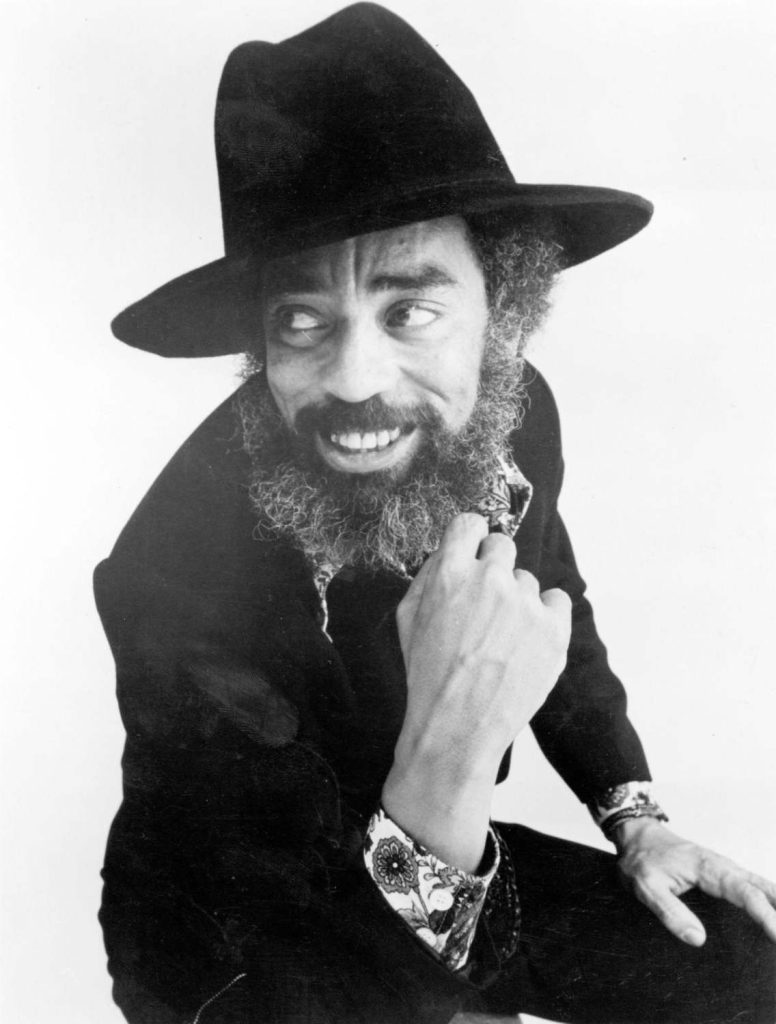

In 2005, the world lost one of its most dynamic and multifaceted cultural voices. Oscar Brown Jr. passed away at the age of 78, leaving behind a legacy that spanned music, poetry, theater, activism, and social commentary.
Though widely respected in artistic circles, Brown was never fully embraced by mainstream audiences in proportion to his contributions. That made the release of “Music Is My Life, Politics My Mistress: The Story of Oscar Brown Jr.”, directed by Donnie L. Betts, both timely and necessary—a powerful effort to bring his story back into focus.
A Life That Defied Categories
Oscar Brown Jr. was best known as a jazz lyricist, but that title alone barely scratches the surface.
He wrote “Strong Man” for Abbey Lincoln and added lyrics to iconic jazz instrumentals such as:
- “All Blues” by Miles Davis
- “Afro Blue” by Mongo Santamaria
- “Work Song” by Nat Adderley
Beyond music, Brown was a:
- Singer
- Poet
- Playwright
- Actor
- Television host
- Social activist
He even ran for public office in Chicago and created ambitious stage productions, including works featuring Muhammad Ali and members of the Blackstone Rangers.
His performance style—blending spoken word, rhythm, and theatrical delivery—has often been recognized as a precursor to modern rap.
A Story Told in Three Acts
Betts’ documentary approached Brown’s life like a carefully structured narrative, divided into three acts.
Act I introduced audiences to a young Brown, performing “Work Song” on national television, before tracing his early life in Chicago’s Bronzeville neighborhood. It highlighted his beginnings as a radio actor and union organizer—laying the foundation for both his artistic and political voice.
Act II captured Brown at his creative peak. During this time, he was writing music, developing theatrical productions, and securing major opportunities, including his first album with Columbia Records. His collaborations, including work connected to Max Roach’s “Freedom Now Suite,” showcased both his brilliance and the tensions that often came with artistic partnerships.
Act III shifted focus to the consequences of Brown’s choices. At one point, he made a defining statement:
“You could either operate for money or for people.”
His commitment to civil rights and social advocacy may have limited his commercial success, even as it deepened his cultural impact. Observers, including Amiri Baraka, suggested that Brown could have reached levels of mainstream success comparable to major playwrights—had he chosen a different path.
A Portrait That Doesn’t Hold Back
One of the documentary’s greatest strengths was its honesty.
It didn’t shy away from the complexities of Brown’s life. His personal struggles, including failed marriages and the tragic loss of his son, Oscar Brown III, were presented alongside his achievements.
These moments added depth to his story—reminding audiences that behind the artistry was a man navigating both triumph and hardship.
The Power of Access and Storytelling
What made the film especially compelling was the level of access donnie l. betts had to Brown.
Through archival footage and years of interviews, the documentary allowed viewers to experience Brown directly—his humor, his intellect, and his humanity.
Rather than simply telling his story, the film allowed him to tell it himself.
Reclaiming a Legacy
In many ways, the documentary served as a correction.
It reintroduced Oscar Brown Jr. to audiences who may not have fully understood his influence, placing his contributions back into the broader conversation around music, culture, and activism.
It also raised an important question:
How many influential figures are overlooked because their work challenges systems rather than supports them?
Final Thoughts
The life of Oscar Brown Jr. is a reminder that success is not always measured by visibility or financial gain.
Sometimes, it is measured by impact.
Through this documentary, Donnie L. Betts ensured that Brown’s voice, message, and legacy would not be forgotten.
And in doing so, he reinforced the importance of telling stories that matter—even when they are not the easiest ones to tell.